Canada's housing crisis isn't just about supply — it's about speed. Municipalities hold a critical but often overlooked key to unlocking faster housing delivery.
Canada's housing crisis isn't just about supply — it's about speed. And one of the most overlooked bottlenecks sits right at the municipal level.
From zoning approvals to building permits, the municipal process can add months (or even years) to housing projects — especially modular ones that don't fit neatly into traditional regulatory frameworks.
The Problem
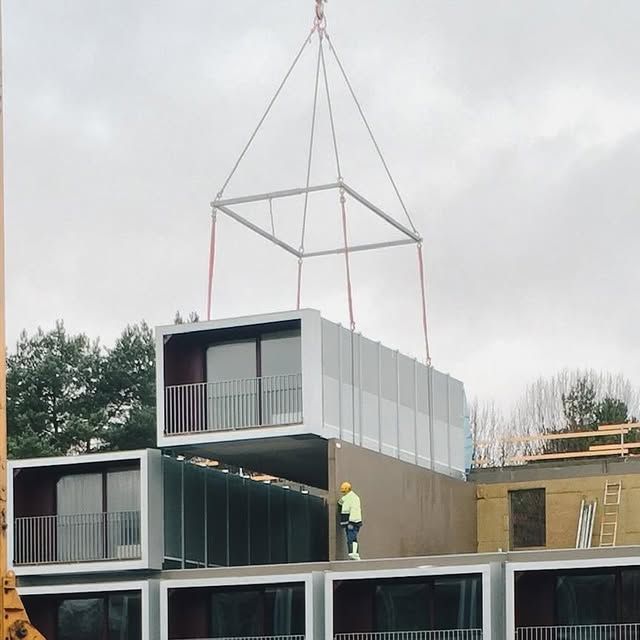
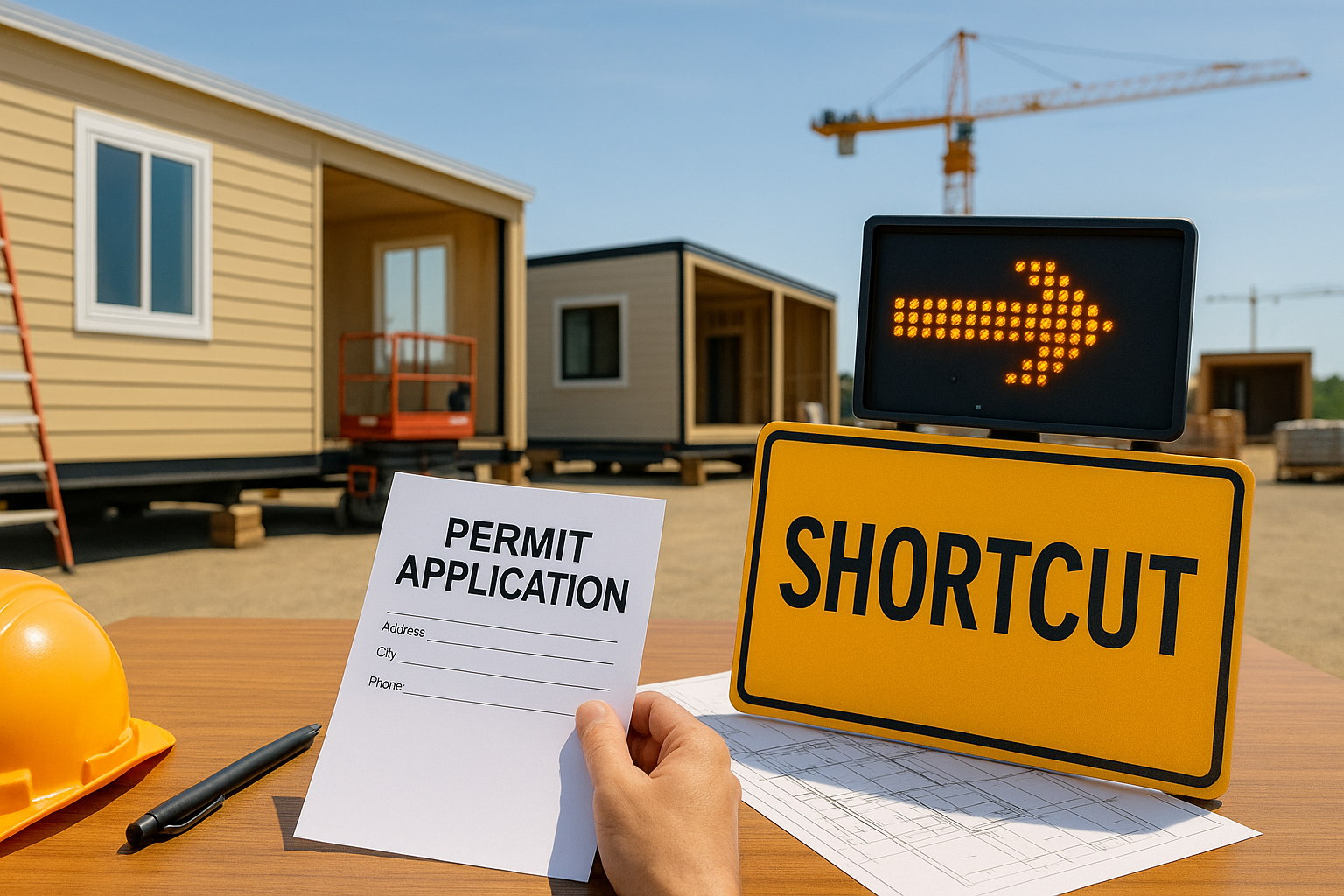
Many municipalities still rely on outdated, paper-based approval processes. Modular housing — which is manufactured off-site and assembled on location — often faces confusion at the permit stage. Inspectors may not be familiar with factory-built construction. Zoning bylaws may not account for innovative building forms. And inter-departmental coordination is often slow and fragmented.
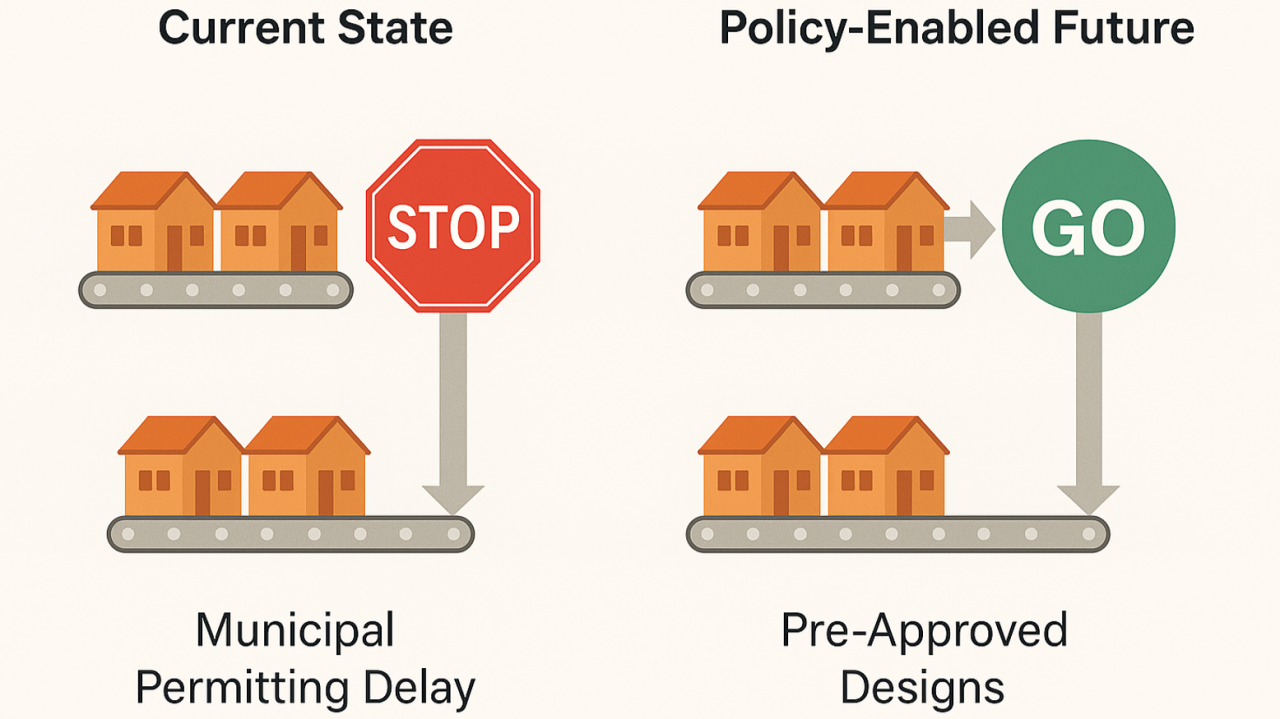
The result? Projects that could be built in weeks get stuck in approval queues for months.
What Needs to Change
Smarter municipal systems don't require massive budgets — they require willingness to modernize. Here are a few shifts that could make a real difference:
1. Pre-Approved Designs
Imagine a library of housing designs that are already reviewed and approved by the municipality. A developer or homeowner could select from a menu of pre-approved plans, dramatically reducing the time and cost associated with custom permit applications. Several jurisdictions in British Columbia and Ontario are already piloting this approach.
2. Digital Permit Platforms
Moving from paper-based to digital permit systems isn't just about convenience — it's about transparency and speed. Digital platforms allow applicants to track the status of their submissions in real-time, flag missing documents early, and reduce back-and-forth between departments.
3. Modular-Ready Zoning
Zoning bylaws need to recognize the reality of modern construction. That means accommodating factory-built housing, laneway suites, garden suites, and other forms of gentle density without requiring variances or lengthy rezoning processes.
4. Dedicated Fast-Track Streams
Some municipalities have introduced dedicated approval streams for affordable or modular housing projects. These fast-track pathways assign priority reviewers, set guaranteed turnaround times, and eliminate redundant steps in the process.