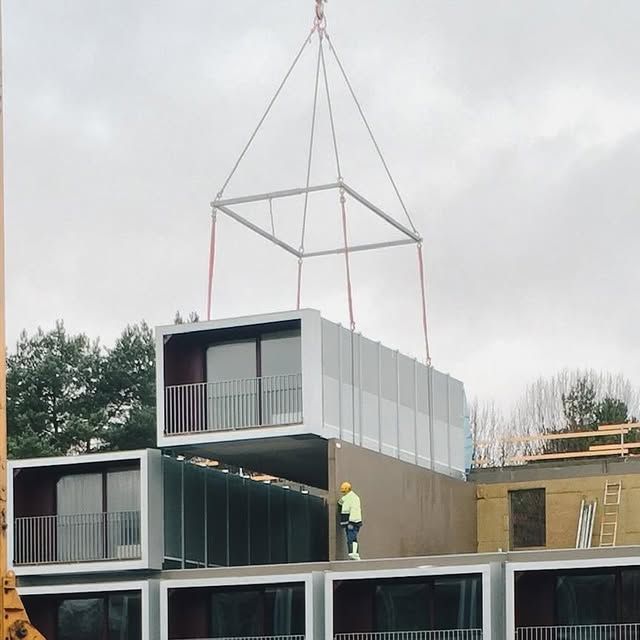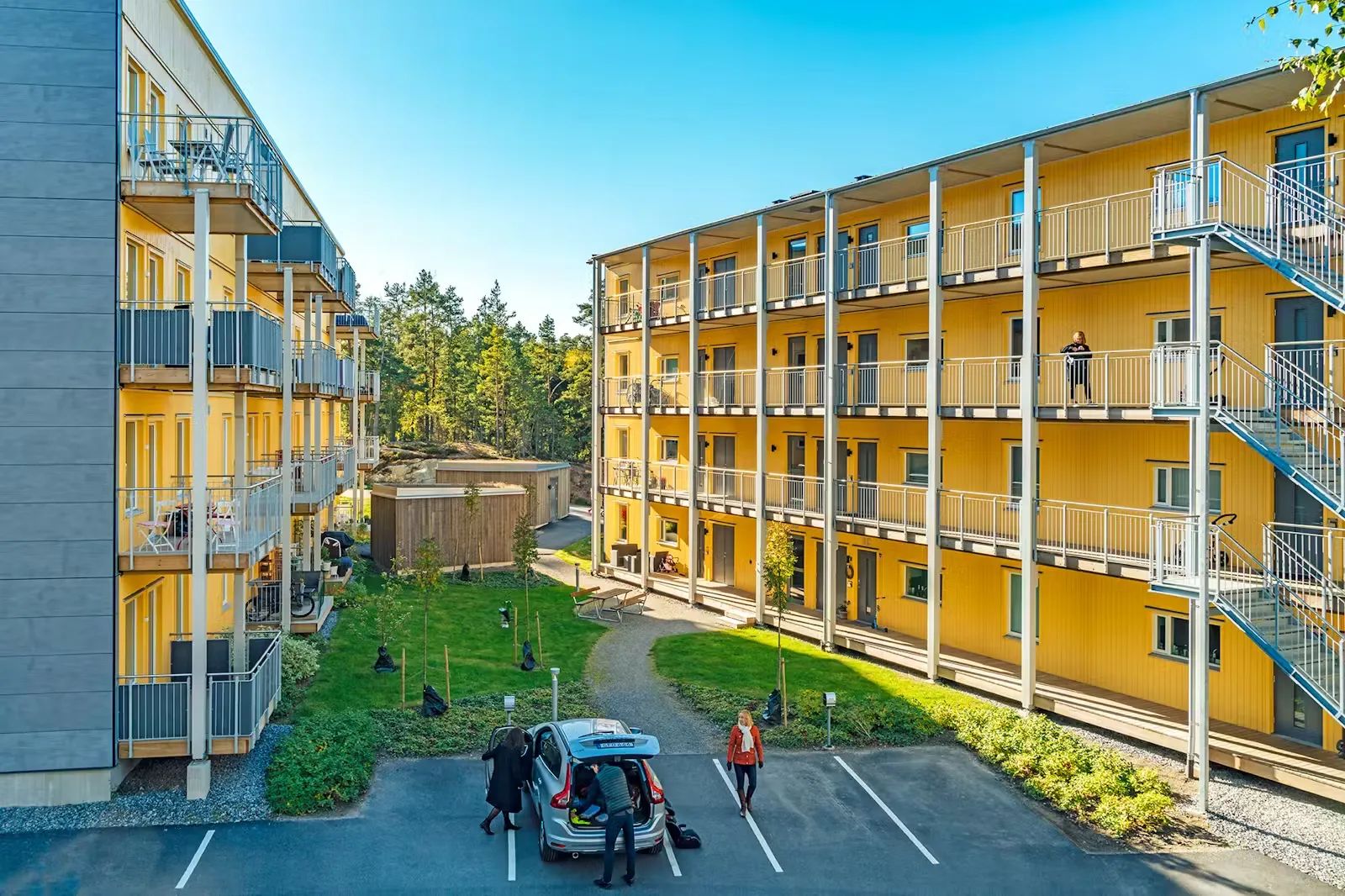
Canada’s modular housing sector is gearing up for “its moment in the sun” as off-site construction gains traction as a solution.
Canada’s modular housing sector is gearing up for “its moment in the sun” as off-site construction gains traction as a solution to productivity, labour shortages, cost pressures and housing demand. Modular methods, whether factory-produced components or full volumetric units, can boost productivity, cut manpower requirements by up to 40 percent, accelerate timelines by up to 50 percent, and deliver significant cost savings compared with traditional construction.
Despite this potential, Canada has historically lagged behind other countries in modular adoption. For example, Sweden integrates prefabricated elements into roughly 84 percent of residential buildings, while in Canada fewer than 5 percent of homes use these methods. A mix of industry resistance to change, regulatory bottlenecks and lingering misconceptions has slowed widespread uptake.
But the landscape is shifting. The federal government has launched Build Canada Homes, a new $13 billion agency focused on delivering affordable housing at scale using modern methods like modular and mass timber. Initial priorities include leveraging federal lands in cities such as Dartmouth, Ottawa, Toronto and Edmonton to build thousands of factory-built homes. This direct-build approach aims to create stable demand, support production capacity and standardize delivery across regions.
There are also encouraging signs from investors and global market forecasts, with projections showing significant growth in the modular construction market over the next decade. This combination of policy action, industry momentum and financial interest could be the catalyst modular housing needs to transition from a niche tool to mainstream practice.
💬 What do you think is most critical for this moment to succeed in Canada, scaling factories, policy reform, financing innovation, or public perception?
Source: Daily Commercial News/ConstructConnect